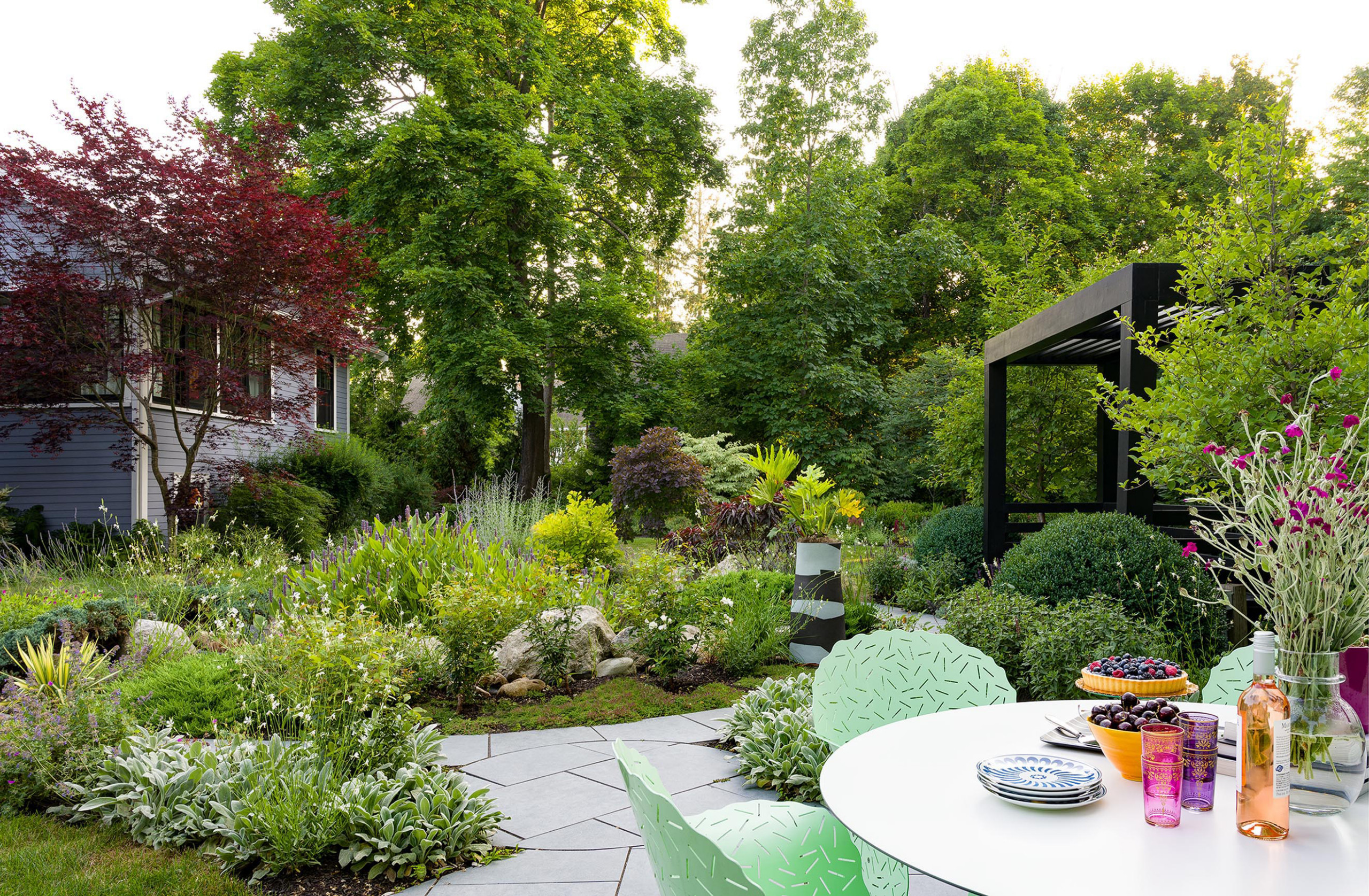
Wildlife-Friendly Gardens
Choosing Native Plants for Maximum Impact Why Native Plants Matter Native plants are the cornerstone of any wildlife-friendly garden. These are species that have evolved over centuries within a specific region, forming symbiotic relationships with local insects, birds, and other animals. Unlike exotic or non-native species, which may not support local wildlife effectively, native plants provide the right
read more →
Native Plant Integration
Benefits of Native Plant Landscaping Environmental Advantages One of the most compelling reasons to integrate native plants is their low environmental impact. These plants are already adapted to local soil, climate, and precipitation patterns, which means they typically require less water, fertilizer, and maintenance than non-native species. This natural resilience reduces the need for irrigation, helping conserve water
read more →
Sustainable Outdoor Spaces
Principles of Sustainable Landscape Design Use of Native and Adaptive Plants One of the foundational principles of sustainable outdoor design is the use of native and climate-adaptive plants. Native species are naturally suited to the local soil, rainfall, and temperature conditions, which means they require less water, fertilizer, and maintenance. They also provide essential food and shelter for
read more →
Landscape Sustainability Practices
Water Conservation Strategies Efficient water use is one of the cornerstones of landscape sustainability. With freshwater resources under increasing pressure, it's essential to design landscapes that minimize irrigation needs while maintaining aesthetic and functional value. Xeriscaping and Drought-Tolerant Landscaping Xeriscaping the practice of designing landscapes to reduce or eliminate the need for supplemental water from irrigation is a powerful
read more →