Native Plant Integration
by Admin
Posted on 06-11-2025 07:42 PM
Benefits of Native Plant Landscaping
Environmental Advantages
One of the most compelling reasons to integrate native plants is their low environmental impact. These plants are already adapted to local soil, climate, and precipitation patterns, which means they typically require less water, fertilizer, and maintenance than non-native species. This natural resilience reduces the need for irrigation, helping conserve water crucial benefit in areas prone to drought.
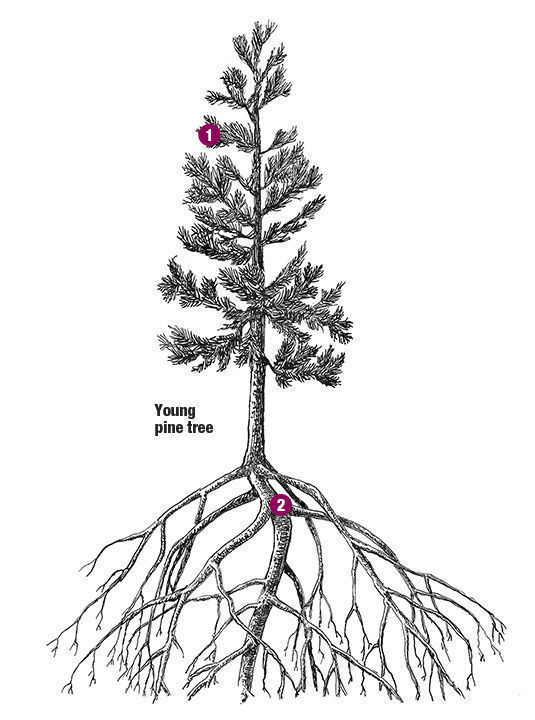
Moreover, native plants contribute to healthier soil and reduced erosion. Their deep root systems stabilize the ground, improve water infiltration, and enhance soil structure over time. Unlike many turf grasses or shallow-rooted exotics, native perennials and grasses can thrive without chemical inputs, minimizing runoff pollution into nearby waterways.
Support for Biodiversity
Native plants form the foundation of local food webs. They co-evolved with native insects, birds, and other wildlife, creating intricate relationships that non-native plants often fail to support. For example, many butterfly species, such as the monarch, rely exclusively on specific native host plants (like milkweed) to complete their life cycles. Similarly, native bees and other pollinators are more effective and abundant when native flowering plants are present.
By planting native species, gardeners and land managers create habitats that sustain a wide array of creatures. This biodiversity not only enriches the landscape but also increases ecosystem resilience to pests, diseases, and climate fluctuations. For those looking to complement their native landscaping with professional care, tree maintenance services can help ensure long-term health and vitality of both native and established trees.

Designing with Native Plants
Planning Your Native Garden
Integrating native plants begins with thoughtful planning. Start by assessing your site conditions sunlight, soil type, moisture levels, and existing vegetation. Then, research which native plants are best suited to those conditions. Local extension offices, native plant societies, and regional field guides are excellent resources.
It's important to think beyond aesthetics. While native gardens can be lush and colorful, their design should also serve ecological functions. Consider creating layers: groundcovers, understory shrubs, and canopy trees mimic natural ecosystems and provide varied habitats. Grouping plants with similar water and light needs (a practice called hydrozoning) improves efficiency and plant health.
Aesthetic Appeal and Seasonal Interest
A common misconception is that native gardens look wild or unkempt. In reality, native plant landscapes can be just as structured and visually appealing as traditional gardens. With careful selection, you can achieve year-round interest through seasonal blooms, foliage color, and textural variety.
For instance, spring-blooming wildflowers like Virginia bluebells or columbine can be paired with summer-flowering coneflowers and black-eyed Susans. In autumn, goldenrods and asters provide late-season nectar, while native grasses like little bluestem offer striking winter structure and movement. Thoughtful design balances beauty and function, proving that sustainability and style go hand in hand.
Overcoming Common Challenges
Dealing with Invasive Species
One of the biggest challenges in native plant integration is managing invasive non-native plants. Aggressive species like English ivy, Japanese honeysuckle, or kudzu can outcompete native vegetation and disrupt ecosystems. Effective integration often requires removing these invasives before planting natives.
This process may involve manual removal, targeted herbicide use, or solarization (covering plants with tarps to block sunlight). Once cleared, the site should be quickly replanted with native species to prevent reinvasion. Ongoing monitoring and maintenance are essential to ensure long-term success.
Addressing Public Perception
Another hurdle is public perception. Some people associate native plant gardens with being messy or œweedy, especially when compared to manicured lawns. Educating neighbors and community members about the ecological benefits of native landscapes can help shift these views.
Demonstration gardens, signage, and community workshops are effective tools for raising awareness. Highlighting the beauty and functionality of native plants such as their ability to attract butterflies and birds can inspire broader acceptance and adoption. Over time, as more people see thriving native landscapes, the cultural norm begins to change.
Native Plants in Urban and Suburban Settings
Green Infrastructure and Stormwater Management
Native plants play a vital role in urban sustainability. Cities face unique challenges like heat islands, flooding, and poor air quality. Native vegetation can mitigate these issues through green roofs, rain gardens, bioswales, and urban forests.
Rain gardens, for example, use native plants to absorb and filter stormwater runoff from streets and rooftops. Their deep roots increase infiltration and reduce pollution entering storm drains. Similarly, trees and shrubs native to the region provide shade, cool urban areas, and sequester carbon more effectively than non-native species.
Community Engagement and Education
Urban native plant projects also offer opportunities for community involvement. Schools, parks, and neighborhood groups can participate in planting days, habitat restoration, and citizen science initiatives. These activities build environmental stewardship and strengthen community ties.
Educational signage in public spaces can inform passersby about the plants they're seeing and their ecological roles. When people understand the why behind native plant integration, they're more likely to support and replicate these efforts in their own yards.
Restoring Natural Habitats
Ecological Restoration Projects
Beyond private gardens and city parks, native plant integration is central to large-scale ecological restoration. Degraded lands such as former agricultural fields, mined areas, or polluted wetlands—can be rehabilitated using native species to rebuild healthy ecosystems.
Restoration projects often involve seed collection from local ecotypes (plants genetically adapted to a specific area) to ensure genetic integrity and long-term success. These efforts restore not just plants, but entire communities of organisms that depend on them.
Wildlife Corridors and Connectivity
Native plant integration also contributes to creating wildlife corridors patches of habitat that connect fragmented landscapes. As urbanization fragments natural areas, animals struggle to move, find food, or reproduce. Planting native vegetation along roadsides, utility easements, or riparian zones can link isolated habitats, allowing species to migrate and maintain genetic diversity.
Such corridors are especially important for pollinators, birds, and small mammals. By planting native trees, shrubs, and flowers in strategic locations, communities can support regional biodiversity on a larger scale.
Frequently Asked Questions
What are native plants, and how do I know which ones are native to my area?
Native plants are species that have naturally occurred in a region for thousands of years, evolving alongside local climate and wildlife. To identify which plants are native to your area, consult regional field guides, university extension services, or native plant societies. Online databases like the Lady Bird Johnson Wildflower Center or the USDA Plants Database can also help you find species based on your zip code or county.
Do native plants require less maintenance?
Yes, once established, native plants typically require less maintenance than non-native species. They are adapted to local conditions, so they usually need little to no watering, fertilizing, or pest control. However, the first one to two years may require regular watering and weeding to help them get established.
Can I mix native and non-native plants in my garden?
Absolutely. Many gardens successfully blend native species with non-invasive ornamentals. The key is to ensure that non-native plants don't become invasive or outcompete native species. Prioritize native plants for core ecological functions like supporting pollinators or preventing erosion and use exotics sparingly and responsibly.
Will native plants attract pests or unwanted wildlife?
Native plants may attract insects, but most are beneficial or harmless. In fact, many native insects are crucial pollinators or food sources for birds. While you may see more wildlife such as bees, butterflies, or birds this is a sign of a healthy, functioning ecosystem. If concerns arise (e.g., rodents), they can usually be managed through design choices like avoiding dense groundcover near buildings.
How do I start converting my lawn to a native plant garden?
Start small. Choose a manageable area and remove turf grass using methods like sheet mulching (layering cardboard and mulch) or solarization. Prepare the soil, then plant native species suited to your site's conditions. Consider starting with easy-to-grow natives like coneflowers, milkweed, or switchgrass. Over time, expand the native planting as you gain confidence and observe results.
Are native plants more expensive than traditional landscaping plants?
Initially, some native plants may have a higher price tag due to limited availability or slower propagation. However, their long-term savings in water, fertilizer, and maintenance often make them more cost-effective. Additionally, as demand grows, more nurseries are offering affordable native options, and community programs sometimes offer free or discounted plants.