Wildlife-Friendly Gardens
by Admin
Posted on 06-11-2025 07:42 PM

Choosing Native Plants for Maximum Impact
Why Native Plants Matter
Native plants are the cornerstone of any wildlife-friendly garden. These are species that have evolved over centuries within a specific region, forming symbiotic relationships with local insects, birds, and other animals. Unlike exotic or non-native species, which may not support local wildlife effectively, native plants provide the right nutrients, shelter, and breeding grounds that native animals need to survive.
For example, monarch butterflies rely exclusively on milkweed (Asclepias spp.) to lay their eggs and feed their caterpillars. Without this native plant, their populations cannot sustain themselves. Similarly, many native bees specialize in pollinating specific native flowers, making these plants essential for maintaining pollinator diversity.
Selecting the Right Plants for Your Region
Choosing the right native plants starts with understanding your local climate, soil type, and hardiness zone. Regional native plant societies and local nurseries can guide you toward species that thrive in your area. Consider including a mix of trees, shrubs, perennials, and groundcovers to create varied layers of vegetation.
Examples include: - Eastern United States: Black-eyed Susan (Rudbeckia hirta), New England aster (Symphyotrichum novae-angliae), and serviceberry (Amelanchier spp.) - Pacific Northwest: Douglas aster (Symphyotrichum subspicatum), Oregon grape (Mahonia aquifolium), and red flowering currant (Ribes sanguineum) - Southwest: Desert willow (Chilopsis linearis), penstemon (Penstemon spp.), and yucca (Yucca spp.)
These plants not only support wildlife but also require less maintenance, as they are adapted to local conditions and typically need less watering and fertilizing.
Creating Habitats and Shelter
Layered Landscaping for Biodiversity
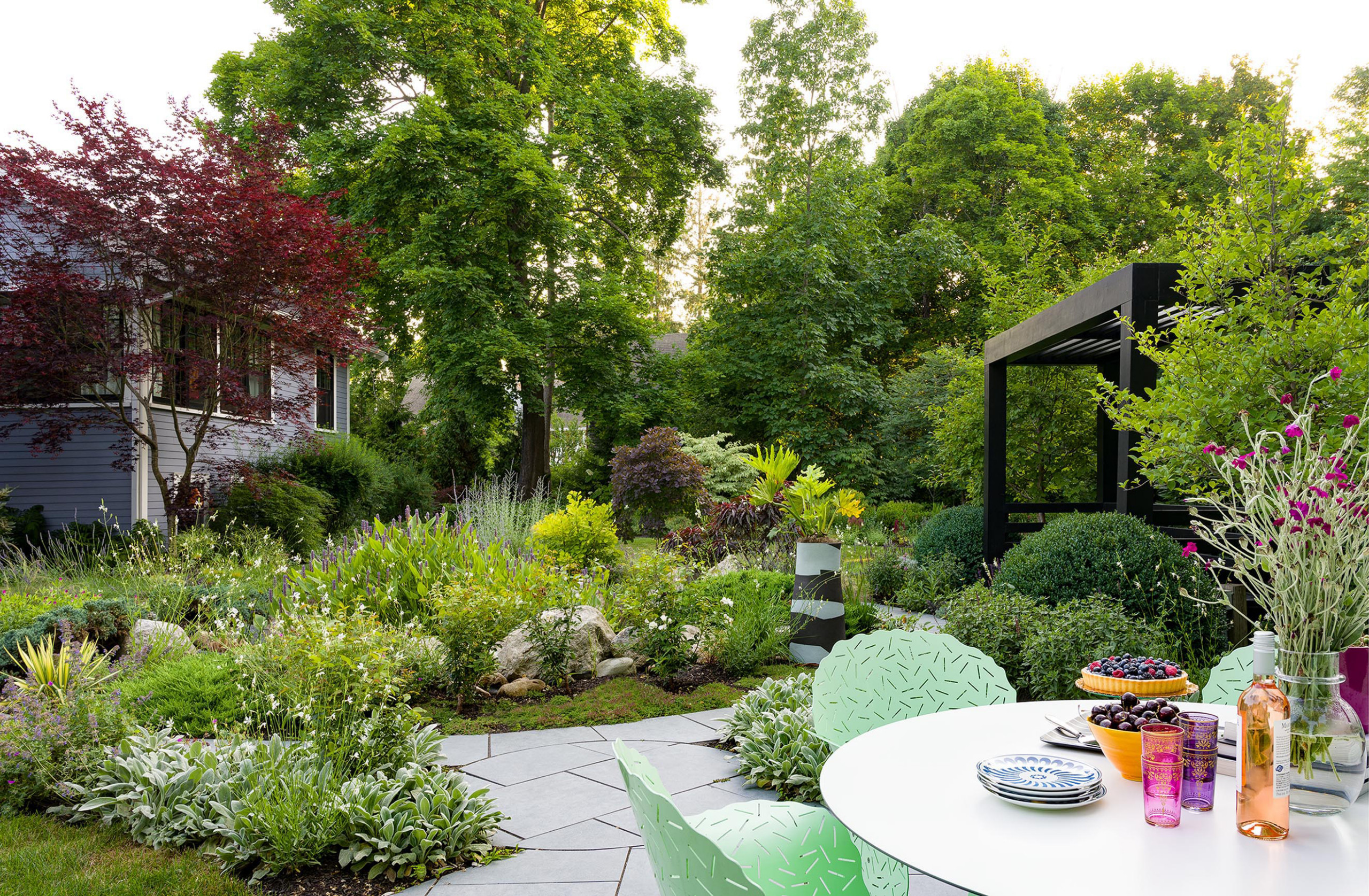
A wildlife-friendly garden mimics natural ecosystems by incorporating vertical structure. Think of forests: tall trees form a canopy, understory trees and shrubs occupy the middle layer, and herbaceous plants and groundcovers fill the forest floor. You can replicate this in your garden by planting in layers.
Tall trees like oaks or maples provide nesting sites for birds and support hundreds of native insect species. Shrubs such as elderberry or viburnum offer shelter and berries for birds. Low-growing plants and leaf litter on the ground provide homes for beetles, spiders, and amphibians. This layered approach maximizes habitat value and attracts a wider array of species learn more about designing such spaces at https://rootededges.com/.
Incorporating Natural Features
Beyond plants, include physical features that enhance shelter and safety. Brush piles stacks of fallen branches and twigs offer excellent hiding spots for small mammals, reptiles, and insects. Rock piles and stone walls create warm basking areas for lizards and toads. Dead trees (or "snags") left standing provide nesting cavities for woodpeckers and other cavity-nesting birds.
Even a small log placed horizontally in a shady corner can become a microhabitat for fungi, salamanders, and beetles. Leaving some areas of your garden a bit "wild" encourages biodiversity far more than a perfectly manicured lawn ever could.
Water Sources: Essential for Wildlife Survival
Adding Ponds and Water Features
Water is a critical resource for all wildlife. A garden pond even a small one can dramatically increase biodiversity. Ponds attract frogs, dragonflies, damselflies, and birds seeking a drink or bath. Even a simple container with shallow edges can serve as a birdbath or drinking spot for ground-dwelling creatures.
When designing a pond, consider including native aquatic plants like pickerelweed (Pontederia cordata) or water lilies (Nymphaea spp.). These provide oxygen, shelter, and food. Avoid introducing fish unless the pond is large, as they may prey on amphibian eggs and insect larvae.
Simple Water Solutions for Small Spaces
If a pond isn't feasible, other water sources work well. A shallow dish filled with pebbles and water allows bees and butterflies to drink safely without drowning. Hanging a mister or dripper near flowering plants can attract hummingbirds and provide moisture for insects. Just remember to clean and refill water sources regularly to prevent mosquito breeding and ensure hygiene.
Reducing Chemicals and Embracing Natural Practices
The Harm of Pesticides and Herbicides
Chemical pesticides and herbicides are among the biggest threats to garden wildlife. Even products labeled as "safe" can harm bees, butterflies, and beneficial insects like ladybugs and lacewings. These chemicals disrupt food chains and can accumulate in the soil and water, affecting a wide range of organisms.
Instead of reaching for a spray, consider integrated pest management (IPM). This approach emphasizes prevention, monitoring, and using natural controls. For instance, planting marigolds can deter aphids, while encouraging ladybugs and lacewings naturally controls pest populations.
Composting and Soil Health
Healthy soil is the foundation of a thriving garden. Rich, organic soil supports robust plant growth and fosters a diverse community of soil organisms like earthworms, fungi, and bacteria. These organisms break down organic matter, improve soil structure, and help plants absorb nutrients.
Start composting kitchen scraps and garden waste to create nutrient-rich compost. This not only reduces landfill waste but also eliminates the need for synthetic fertilizers. Mulching with leaves or wood chips helps retain moisture, suppress weeds, and gradually enrich the soil as it decomposes.
Seasonal Support for Year-Round Wildlife
Spring and Summer: Nourishing Pollinators
Spring and summer are peak seasons for pollinators. To support bees, butterflies, and hummingbirds, plant a sequence of flowers that bloom from early spring through late summer. Early bloomers like crocus and willow provide vital nectar after winter, while mid- to late-season flowers such as coneflowers, bee balm, and goldenrod sustain pollinators into fall.
Avoid double-flowered varieties, which often have reduced nectar and are difficult for insects to access. Single flowers with open centers are far more beneficial.
Fall and Winter: Sustaining Through the Cold
Many gardeners tidy up their yards in fall, but leaving plant stalks, seed heads, and leaf litter supports wildlife through winter. Birds like goldfinches feed on seeds from coneflowers and sunflowers. Insects overwinter in hollow stems or under leaf litter, emerging in spring to pollinate and control pests.
Consider planting evergreens such as juniper or holly for year-round shelter. A simple bird feeder filled with sunflower seeds or suet can provide crucial energy during cold months, but ensure it's cleaned regularly to prevent disease.
Benefits Beyond Biodiversity
Creating a wildlife-friendly garden offers rewards that go beyond helping animals. These gardens are often more resilient, requiring less water, fertilizer, and maintenance than traditional landscapes. They also foster a deeper connection with nature, offering opportunities for observation, education, and relaxation.
Children and adults alike can learn about life cycles, food webs, and conservation simply by watching what unfolds in their own backyard. Moreover, participating in citizen science projects like monitoring monarch migrations or counting birds during the Great Backyard Bird Count can turn your garden into a hub of environmental stewardship.
On a broader scale, networks of wildlife-friendly gardens create green corridors that allow species to move safely through urban and suburban areas. This is especially important as wild habitats become fragmented by development. Every garden, no matter how small, contributes to a larger mosaic of life-supporting spaces.
FAQs
What is the easiest way to start a wildlife-friendly garden?
Begin by replacing part of your lawn with native plants. Even a single flower bed with regionally appropriate species can attract pollinators. Add a shallow water dish and avoid using pesticides to make an immediate impact.
Can I have a wildlife garden in a small space or on a balcony?
Absolutely! Container gardens with native flowers, herbs, and grasses can support bees and butterflies. Add a small birdbath and plant climbing vines like trumpet vine to attract hummingbirds.
How do I attract birds without feeding them?
Plant native trees and shrubs that produce berries, nuts, or seeds. Include dense shrubs for nesting and evergreens for winter cover. A water source like a birdbath will also draw birds in.
Are bees and wasps dangerous in a wildlife garden?
Most native bees are non-aggressive and rarely sting. Solitary bees, such as mason bees, are especially gentle. Wasps play a vital role in controlling pests. To minimize stings, avoid wearing strong scents and leave nests undisturbed unless they're in high-traffic areas.
Should I remove invasive plants from my garden?
Yes. Invasive species like English ivy, Japanese knotweed, or purple loosestrife can spread rapidly, outcompeting native plants and reducing biodiversity. Replace them with native alternatives to support local wildlife.
How long does it take for a wildlife garden to become established?
It varies, but many gardens begin attracting wildlife within the first growing season. Full ecological balance may take 2 to 3 years as plants mature and beneficial insects and animals colonize the area. Patience and consistent care yield the best results.