Landscape Sustainability Practices
by Admin
Posted on 06-11-2025 07:42 PM
Water Conservation Strategies
Efficient water use is one of the cornerstones of landscape sustainability. With freshwater resources under increasing pressure, it's essential to design landscapes that minimize irrigation needs while maintaining aesthetic and functional value.
Xeriscaping and Drought-Tolerant Landscaping
Xeriscaping—the practice of designing landscapes to reduce or eliminate the need for supplemental water from irrigation—is a powerful tool in arid and semi-arid regions. By selecting native or drought-resistant plants, using efficient soil, and reducing turf areas, xeriscaping can cut outdoor water use by up to 60%. Succulents, ornamental grasses, and native shrubs are excellent choices that thrive with little water once established.
Smart Irrigation Systems
Even in areas where some irrigation is necessary, technology can dramatically improve efficiency. Smart irrigation controllers use real-time weather data, soil moisture sensors, and evapotranspiration rates to deliver water only when and where it’s needed. These systems adjust watering schedules automatically, preventing overwatering and reducing waste. Drip irrigation and soaker hoses further enhance efficiency by delivering water directly to plant roots, minimizing evaporation and runoff.
Rainwater Harvesting
Capturing and storing rainwater for landscape use is another sustainable practice. Rain barrels or larger cisterns can collect runoff from roofs and other surfaces, providing a free, non-potable water source during dry periods. This reduces demand on municipal water supplies and helps manage stormwater runoff, which can carry pollutants into local waterways.
Use of Native and Adaptive Plants
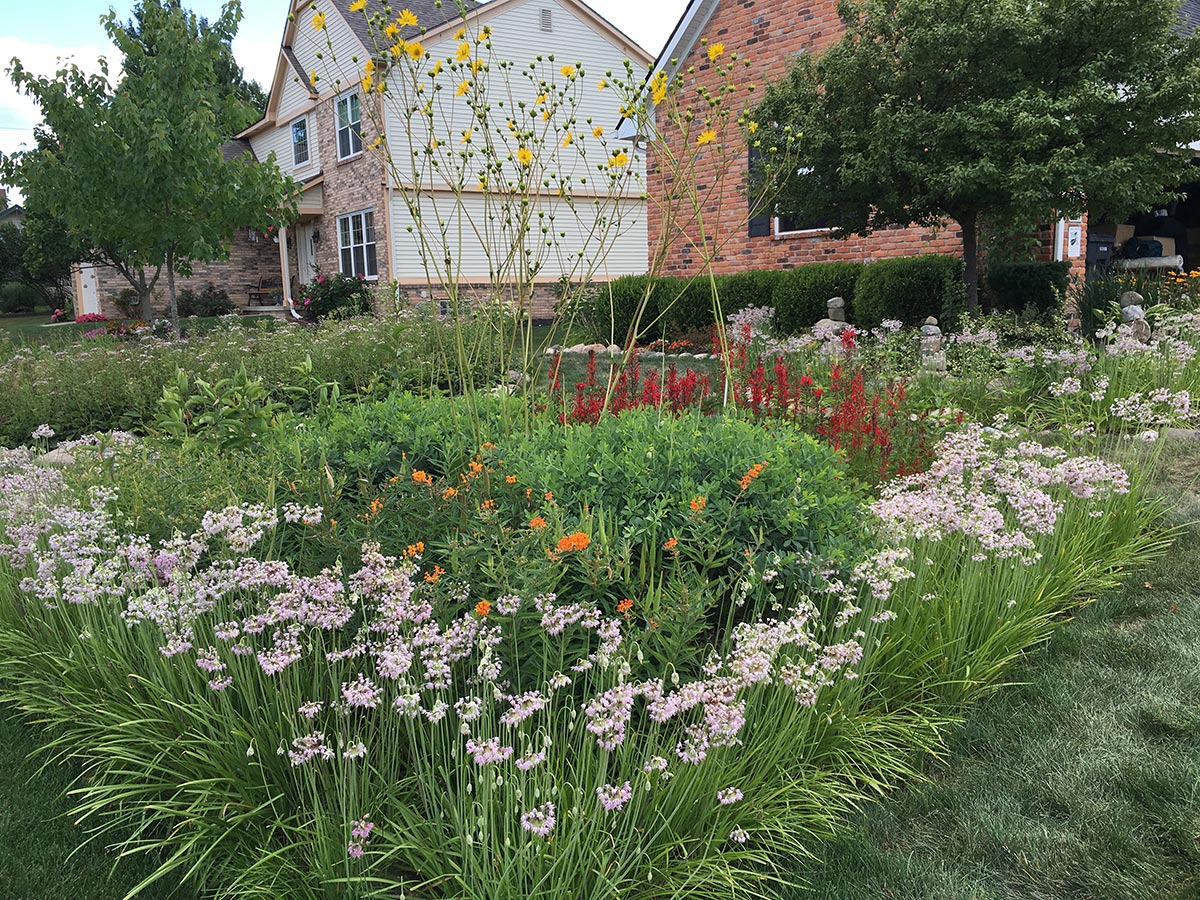
Choosing the right plants is fundamental to sustainable landscaping. Native plants—those that naturally occur in a region—have evolved to thrive in local climate, soil, and rainfall conditions. They require less maintenance, fewer inputs, and are more resilient than non-native species.
Ecological Benefits
Native plants support local ecosystems by providing food and shelter for pollinators, birds, and other wildlife. For example, milkweed is essential for monarch butterfly reproduction, while native oaks can host hundreds of species of caterpillars, forming the base of a complex food web. By incorporating native species, landscapes become mini-refuges that boost biodiversity in urban and suburban areas.
Low Maintenance and Resource Efficiency
Because native plants are adapted to local conditions, they generally require less watering, fertilizing, and pest control. This reduces both labor costs and environmental harm from chemical runoff. Additionally, they are less likely to become invasive compared to exotic species, which can outcompete native flora and disrupt ecosystems.
Designing with Adaptability in Mind
In addition to native species, adaptive plants—non-natives that perform well in local conditions without becoming invasive—can also play a role. The goal is to create plant communities that mimic natural ecosystems, with layered structures (canopy, understory, groundcover) that maximize ecological function and visual interest year-round.
What is Sustainable Landscape Management?
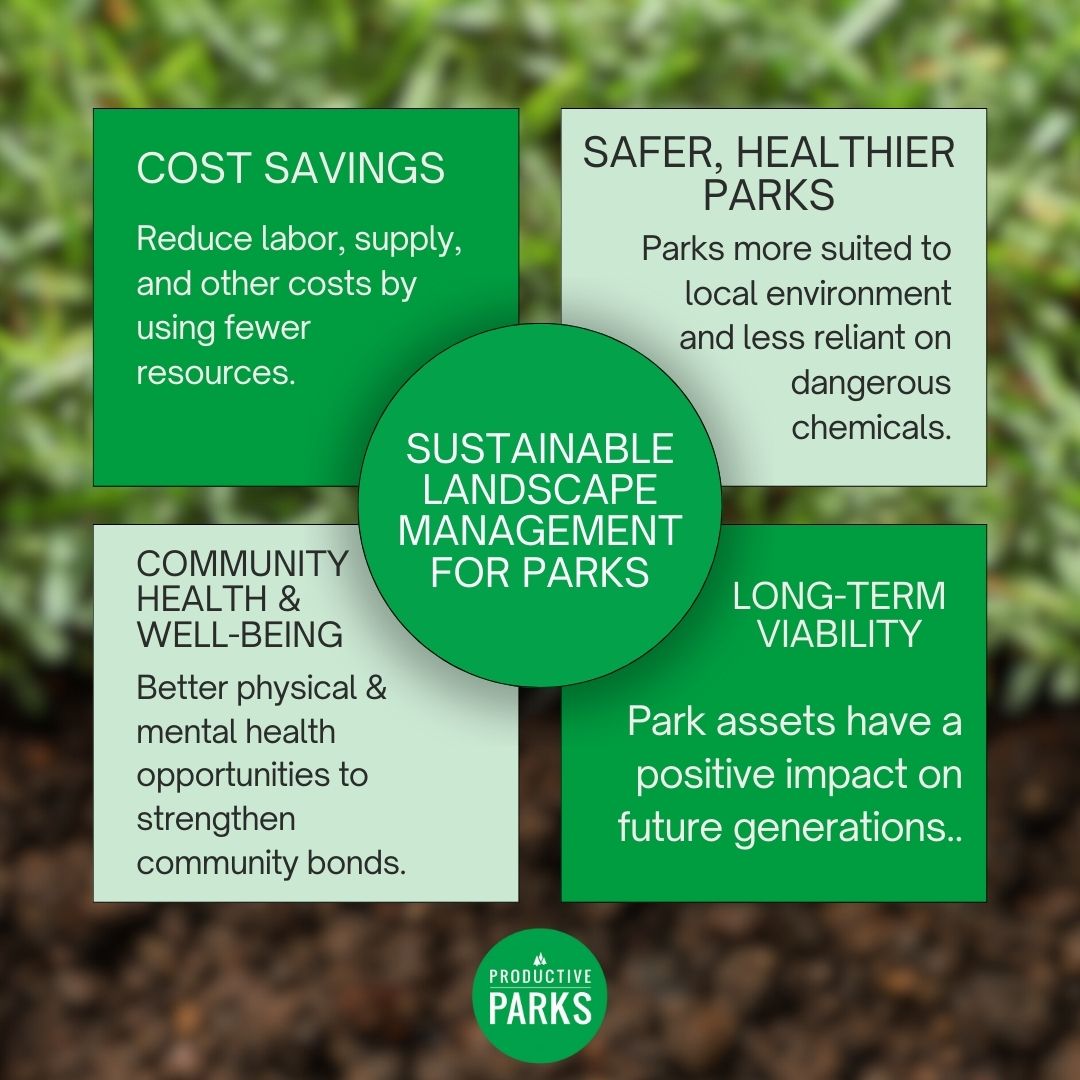
Sustainable landscape management focuses on maintaining outdoor spaces in ways that support environmental health, conserve resources, and enhance biodiversity. By integrating landscape sustainability practices, communities can reduce water usage, minimize chemical inputs, and promote native plant species. This approach not only benefits ecosystems but also creates more resilient and cost-effective landscapes over time.
Soil Health and Organic Management
Healthy soil is the foundation of any sustainable landscape. It supports plant growth, filters water, stores carbon, and hosts a rich community of microorganisms essential for nutrient cycling.
Composting and Mulching
Adding organic matter through compost improves soil structure, water retention, and fertility. Composting yard waste and kitchen scraps not only reduces landfill waste but also creates a valuable soil amendment. Mulching with wood chips, leaves, or straw helps retain moisture, suppress weeds, regulate soil temperature, and gradually enrich the soil as it breaks down.
Reducing Chemical Inputs
Avoiding synthetic fertilizers and pesticides is crucial for long-term sustainability. These chemicals can leach into groundwater, harm beneficial insects, and disrupt soil biology. Instead, integrated pest management (IPM) strategies—such as encouraging beneficial insects, rotating plants, and using natural controls—can manage pests safely and effectively.
Preventing Erosion and Compaction
Sustainable landscapes incorporate techniques to prevent soil erosion and compaction, such as planting groundcovers, using permeable paving, and minimizing foot traffic on sensitive areas. Contour planting, terracing, and vegetated swales can also slow water flow and stabilize slopes.
Sustainable Hardscaping and Materials
Even non-living elements of a landscape—paths, patios, walls, and decks—can be designed sustainably.
Permeable Surfaces
Traditional concrete and asphalt prevent water from soaking into the ground, increasing runoff and the risk of flooding. Permeable pavers, gravel, and porous concrete allow water to infiltrate, recharging groundwater and reducing strain on stormwater systems. These materials also help mitigate the urban heat island effect by allowing evaporation and reducing heat absorption.
Recycled and Local Materials
Using recycled materials—such as reclaimed wood, recycled glass aggregate, or crushed concrete—reduces demand for virgin resources and lowers the carbon footprint of construction. Sourcing materials locally further decreases transportation emissions and supports regional economies. For example, using local stone for retaining walls not only blends with the natural environment but also reduces shipping impacts.
Energy-Efficient Design
Sustainable hardscaping also considers energy efficiency. Strategically placing trees and shrubs around buildings can provide shade in summer and windbreaks in winter, reducing heating and cooling costs. Light-colored paving materials reflect sunlight, helping to keep outdoor spaces cooler and reducing ambient temperatures.
Wildlife Habitat and Biodiversity Enhancement
A truly sustainable landscape functions as a living ecosystem, supporting a variety of species and ecological processes.
Creating Pollinator-Friendly Spaces
Pollinators like bees, butterflies, and hummingbirds are vital for food production and ecosystem health. Planting a diversity of nectar- and pollen-rich flowers that bloom throughout the growing season supports these species. Avoiding pesticides and providing nesting habitats—such as bee hotels or undisturbed soil—further enhances pollinator success.
Incorporating Water Features
Even small water features—like a birdbath, shallow pond, or rain garden—can attract birds, amphibians, and beneficial insects. Rain gardens, in particular, are designed to capture and filter stormwater runoff, using plants adapted to wet conditions. They combine beauty with function, reducing pollution while creating habitat.
Providing Shelter and Food Sources
Layered planting with trees, shrubs, and groundcovers mimics natural habitats, offering shelter and food for birds and small mammals. Leaving some leaf litter and dead wood in place provides overwintering sites for insects and fungi, contributing to a balanced ecosystem.
Long-Term Maintenance and Community Engagement
Sustainability doesn’t end at installation—it requires ongoing stewardship and community involvement.
Adaptive Management
Regular monitoring and adaptive management ensure landscapes remain healthy and functional over time. This includes observing plant performance, adjusting irrigation, managing pests organically, and replacing plants that aren’t thriving. A flexible approach allows landscapes to evolve with changing conditions.
Education and Outreach
Community engagement is key to scaling sustainable practices. Educational programs, workshops, and demonstration gardens can inspire homeowners, schools, and businesses to adopt eco-friendly landscaping. Public parks and municipal projects serve as visible models of sustainability in action.
Policy and Incentives
Local governments can support landscape sustainability through ordinances, rebates, and incentives. Examples include offering rebates for rain barrels or turf removal, updating landscaping codes to require water-efficient designs, or providing technical assistance to residents. These policies accelerate the adoption of best practices across communities.
FAQs
What is the difference between sustainable landscaping and traditional landscaping?
Sustainable landscaping prioritizes environmental health, resource efficiency, and long-term resilience, using native plants, water-saving techniques, and organic practices. Traditional landscaping often emphasizes aesthetics with high water use, chemical inputs, and non-native species that require intensive maintenance.
Can sustainable landscapes be beautiful?
Absolutely. Sustainable landscapes can be just as beautiful—and often more dynamic—than conventional ones. By using diverse plant textures, colors, and seasonal interest, eco-friendly designs create visually appealing spaces that also support wildlife and ecological function.
How much water can I save with sustainable landscaping?
Depending on your region and current practices, sustainable landscaping can reduce outdoor water use by 30% to 75%. Techniques like xeriscaping, drip irrigation, and rainwater harvesting contribute significantly to these savings.
Are native plants more expensive to install?
Initially, native plants may have a similar or slightly higher cost than non-natives, but they save money over time due to lower maintenance, reduced watering, and fewer replacements. Many nurseries and local conservation groups also offer native plant sales at discounted rates.
Do sustainable landscapes attract pests?
Not necessarily. In fact, healthy, diverse ecosystems attract beneficial insects and animals that help control pest populations naturally. Sustainable practices like crop rotation, companion planting, and avoiding pesticides support a balanced environment where pests are less likely to become problematic.
Can I convert my existing lawn to a sustainable landscape?
Yes, and many people are doing so successfully. Start by replacing small sections with native plants or groundcovers, installing a rain garden, or setting up a rain barrel. Over time, you can gradually transform your entire yard into a more sustainable and resilient landscape.